Cracked Heels
What Are Cracked Heels?
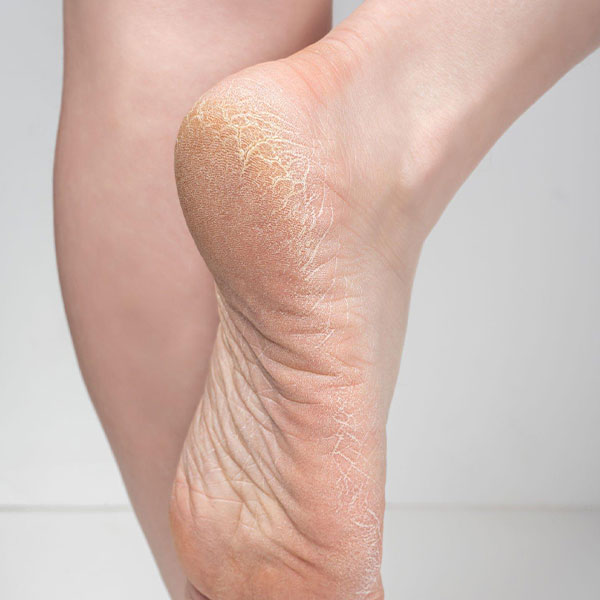
Cracked heels—also known as heel fissures—are a common foot condition that occurs when the skin around the heels becomes dry, thickened, and loses elasticity, eventually leading to splits or cracks. These cracks can range from superficial and unsightly to deep and painful, sometimes even bleeding or becoming infected.
Common Causes of Cracked Heels
Several factors can contribute to the development of dry, cracked heels. These include:
- Prolonged standing, especially on hard surfaces
- Walking barefoot or wearing open-back footwear (e.g. sandals or thongs)
- Obesity or increased weight-bearing pressure
- Naturally dry skin or poor skin hydration
- Skin conditions such as eczema or psoriasis
- Inappropriate footwear that lacks cushioning or support
- Dry climate and warmer seasons (primarily summer)
Symptoms of Cracked Heels
The signs of cracked heels can vary depending on the severity, but commonly include:
- Dry, flaky, or peeling skin on the heels
- Thickened, yellowish callused skin
- Visible cracks or fissures in the heel
- Pain and discomfort, particularly while walking or standing
- Redness, swelling, or bleeding (in more severe cases)
- Signs of infection (e.g. warmth, pus, or increased pain)
How We Treat Cracked Heels
At Leading Edge Podiatry, our goal is to not only relieve your symptoms but to address the underlying causes of your cracked heels and prevent them from recurring.
1. Gentle Debridement
We use sterile instruments to carefully remove thickened, dead skin and callus. This helps reduce pressure on the cracks and encourages healing.
2. Intensive Hydration
We recommend and supply dermal foot balms containing high concentrations of urea, which penetrate deeply to hydrate and repair dry, damaged skin.
- Our clinic recommends Akileine Cream, known for its deep moisturising properties and ability to restore skin barrier function.
3. Footwear Assessment
Footwear that lacks heel cushioning or support may contribute to ongoing heel trauma. We’ll guide you on choosing footwear that reduces pressure on the heels and supports healthy skin.
Learn more about our footwear assessment.
4. Preventative Strategies
Your podiatrist will advise on long-term care strategies such as:
- Daily moisturising routines
- Protective socks
- Custom foot orthotics (if foot mechanics are contributing to pressure on the heels)
Let’s Get You Back on Your Feet
While cracked heels may start as a cosmetic issue, they can lead to painful complications or infection if left untreated. If self-care hasn’t improved your symptoms, professional podiatry care is essential.
👉 Book Online Now
📞 Or call 08 7120 6063 to speak with our friendly podiatry team
Related Pages
There are so many different shoes on the market and finding the right ones can be tricky. That’s where we can help!
A Doppler test is used to detect blood flow. It shows whether a pulse is present and whether there is blood flow to a limb.
Your skin is the largest organ in the human body and the skin on your feet is exposed to more stress than any other area of the body.
FAQ's
Do I need a referral to see a Podiatrist?
You don’t usually need a referral from a doctor to see a podiatrist. However, DVA/NDIS, Workcover&...
What is podiatry service covered by: Health Insurance, Medicare, NDIS, DVA?
Health Insurance: Podiatry comes under “Extras cover”. Private health insurance can vary from one health fund...
What if I need to change or cancel an appointment?
We understand that life is unpredictable and you may not always be able to make your...
What do I need to bring to my 1st appt?
Your private health fund card (if applicable). Any relevant medical records, test results, x-rays, MRI scans,...
What does a podiatrist do?
Podiatrists are experts in foot and ankle health. They are healthcare professionals who can diagnose and...
Can Podiatrists help with Diabetes?
Podiatrists play a key role in the early detection and treatment of foot problems in people...